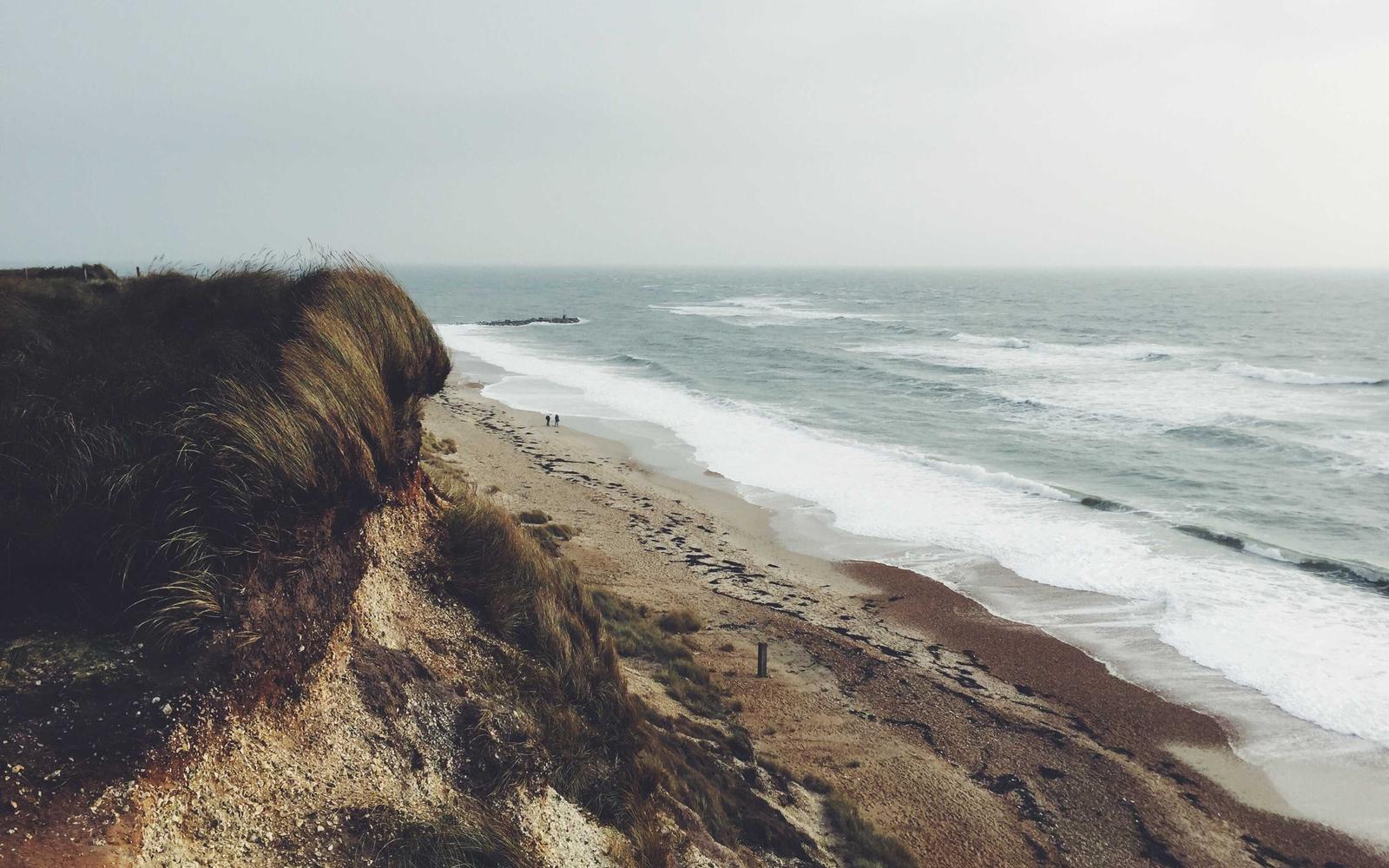
The wind at Vestaravag comes off the sound in flat, cold sheets, and at six in the morning on a Tuesday in April the concrete quay is already wet from a rain that fell and stopped and will likely fall again.
Torshavn, the capital of the Faroe Islands, has a population of about thirteen thousand. The fish market sits at the end of a short street behind the old harbor, in a low building the color of unpainted steel.
Hanna Joensen has worked here for nineteen years. She is sixty-one. She wears a yellow oilskin smock over a wool sweater and she sorts cod by running her thumb along the gill plate, feeling for the cold.
"If it bites back a little," she said, holding one up, "it slept in the box. If it is soft, it slept on the deck."
The boats at Vestaravag are small. Most are under twelve meters. They go out at three or four in the morning, work the inshore grounds between Streymoy and Nolsoy, and are back before the cafes open.
On Tuesday the catch was modest. Three crates of cod, two of haddock, a half crate of monkfish that one of the skippers, a man named Eli, called "ugly but honest." There was no halibut. There had been no halibut for eleven days.
The market does not advertise. It does not have a website. There is a chalkboard at the door on which someone writes the species and the price per kilo in Faroese, and below that in smaller letters, in Danish, the same.
Customers come in a slow trickle. An older woman in a green raincoat bought a single cod and asked Hanna to clean it. A man from one of the hotels bought eight kilos of haddock and paid in cash from a brown envelope.
“An older woman in a green raincoat bought a single cod and asked Hanna to clean it.”
Around seven-thirty a school group came through. Eleven children, ages nine and ten, in matching reflective vests. Their teacher, a young man named Magnus, said he brings a class every spring.
"They should know where the fish comes from," he said. "Otherwise they will think it comes from the freezer."
The children were polite. One of them, a girl with red hair under her hood, asked Eli if the cod had a name. Eli said no. The girl looked disappointed and named it Petur.
By nine the rain had come back. Hanna pulled the door shut on the inside and the room filled with the smell of wet wool and brine and the faint, sweet rot of fish blood on concrete that has been rinsed but not yet scrubbed.
The Faroese fishery is small by global standards. Total landings across the archipelago run to around six hundred thousand tons a year, but most of that is pelagic, caught by larger vessels operating offshore. Vestaravag handles maybe one percent of the national catch.
What it handles, though, is the part that feeds the town. The fish here goes to the school canteens, the two hospitals, the cafes on Tinganes, and to the kitchens of people like the woman in the green raincoat.
Hanna's father worked at the market before her. Her grandfather fished out of Vestmanna on the west coast. She has a son who works on a salmon farm and a daughter who teaches Faroese at the gymnasium.
"The boats are fewer now," she said. "When I started there were forty. Now there are seventeen." She did not say this with sadness. She said it the way a person reports the weather.
Around ten the last of the morning customers left and Hanna began the slow work of cleaning down. She hosed the floor, scrubbed the cutting blocks with coarse salt, and stacked the empty crates against the back wall.
Eli came in with a thermos and poured coffee into two enamel cups. They drank standing up, near the door, watching the rain come sideways across the harbor.
"Tomorrow," Eli said, "maybe halibut."
Hanna shrugged. "Maybe."
Outside, a gull was working at something on the quay. The ferry from Nolsoy came in, tied up, and discharged four passengers and a dog.
By eleven the market was closed. The chalkboard had been wiped. The yellow oilskin hung on a hook by the door. Hanna walked home along the harbor with a paper bag containing one haddock, which she had cleaned herself, and which she would have for lunch.